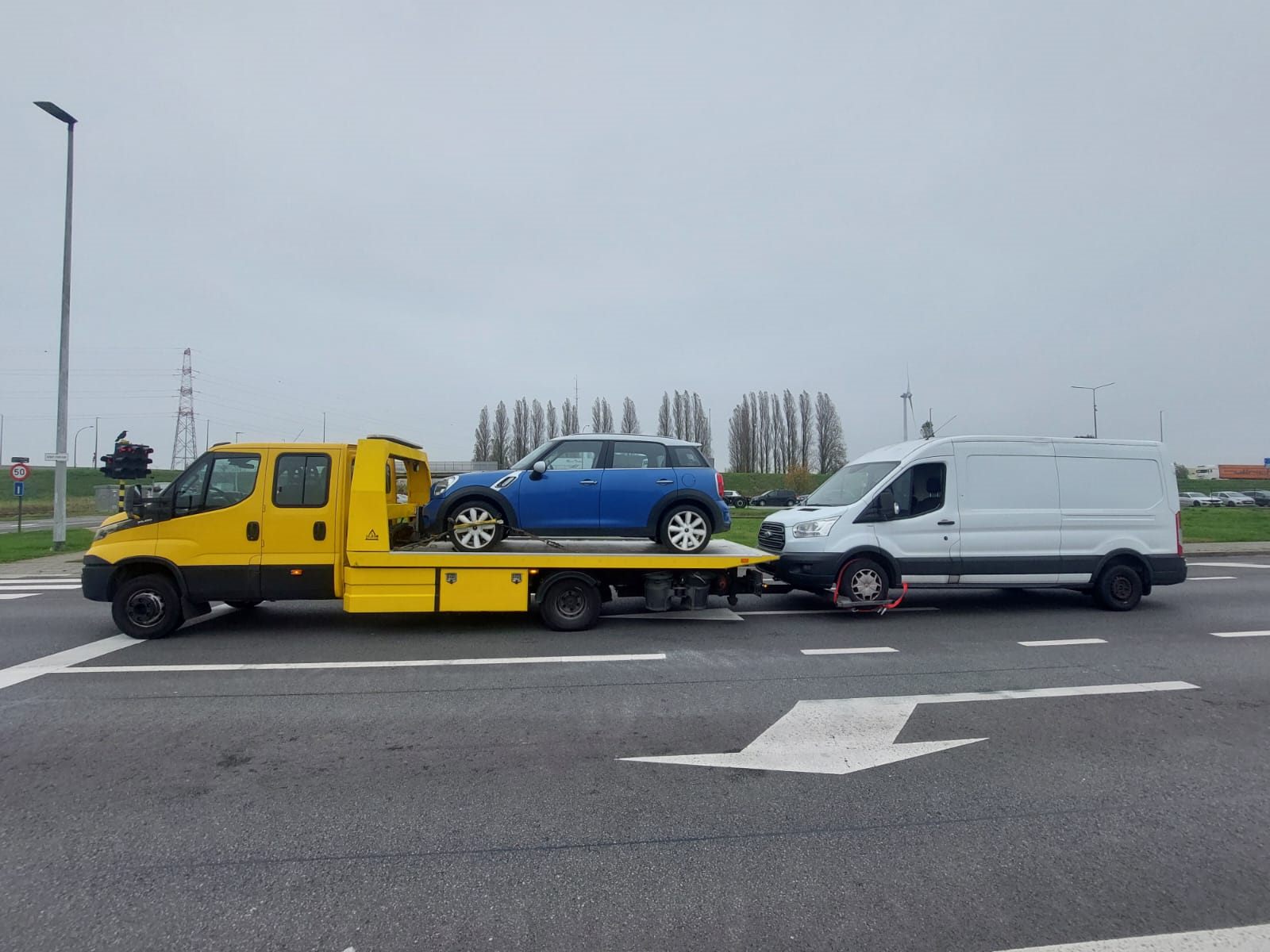
At the scene
- Make sure everyone is safe and call 999 if anyone is hurt or the road is blocked.
- Swap details with the other driver: name, address, phone, registration and insurer. Take photos of both cars, the road and any damage.
- Call us once the police (if they attended) say the car can be moved. Tell us which wheels still turn and whether anything is leaking.
Where we can take your car
- Your home address, if there’s somewhere legal to leave it.
- A body shop or garage of your choice, including your insurer’s approved repairer.
- Secure storage while your insurer decides on the claim. Ask on the call. Storage is charged per day, so only use it if you have nowhere else.
Using your insurer
Most comprehensive policies include recovery after an accident, and some insurers want to arrange it themselves. If yours does and the wait is short, use them. If they can’t get to you for hours, or you’re not covered, ask us for the cost. Keep the invoice, because you may be able to claim it back from the at-fault driver’s insurer.
Damaged cars are different to move
Bent wheels, a smashed suspension arm or a wheel pushed back into the arch means the car won’t roll. The operator uses skates or a winch to get it onto the flatbed. Tell us what you can see so the right truck turns up first time.
FAQ
Questions people ask
Can you collect a car from a police pound after an accident?
Yes, once it’s released. You’ll need the release paperwork and usually ID and proof of ownership. Tell us the pound address and we’ll give you a price for the move.
Will my insurer pay for the recovery?
Often, yes, especially if you weren’t at fault or have comprehensive cover. Keep the invoice and send it with your claim.
Can you move a car that’s been written off?
Yes. We can take it to a salvage agent, a scrapyard or your home until the insurer collects it.